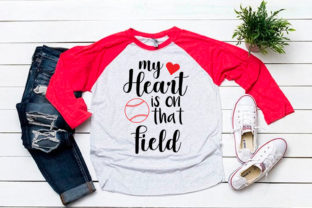
My Heart is on That Field Svg for Baseball
As an embroidery designer with years of experience in crafting and reviewing digital design files, I approach every new machine embroidery design with a critical eye. The file "My Heart is on That Field Svg for Baseball" caught my attention not just for its thematic appeal but for how it could translate into real-world projects like custom t-shirts or personalized gifts. Let’s break down what makes this design work—or where it might need some careful handling—based on actual use cases.
A First Glance at the Design
The phrase “My heart is on that field” immediately brings to mind a warm, nostalgic sentiment tied closely to baseball culture. This SVG file features a stylized heart shape integrated into a baseball field layout, often including subtle details like bases, outfield lines, and perhaps even a silhouette of a player. It feels both classic and contemporary, making it versatile for different audiences and applications.
Visually, the design has a clear focal point—the heart—with the field serving as a contextual backdrop. The balance between negative space and detail is well-considered, which is a big plus when evaluating whether the design will stitch cleanly and maintain visual clarity across various fabrics and hoop sizes. It carries a handmade product charm without being overly fussy, suggesting it would fit well into boutique-style branding or sentimental personalized gift items.
Real-World Embroidery Applications
When considering where this design could be applied, I see potential in several areas:
- Custom apparel: Especially baseball-themed t-shirts, sweatshirts, and caps for kids or adults. The design feels authentic enough for sports enthusiasts yet soft enough for casual wear.
- Tote bag design: A large-scale application where the heart can be centered and the field elements wrap around, creating a bold statement piece perfect for Etsy sellers and small shop products.
- Baby clothes and nursery decor: The gentle curves and emotional tone make it ideal for baby onesies or embroidered pillow covers. Just be mindful of the fabric weight and stretchiness here.
- Holiday gifts and wedding gifts: Think embroidered aprons or tea towels with a touch of Americana flair. It adds a meaningful personalization option without overwhelming the item.
- Embroidered patches: The design could be converted into a patch format easily, especially if you reduce the stitch density and simplify the outlines. This opens up possibilities for adding it to backpacks or jackets.
In terms of stitch types, the design likely uses a combination of satin stitch for the heart outline and fill stitches for the field details. If there are any text elements, they may use a running stitch pattern for legibility. These choices affect how the design behaves on different materials and how it looks post-stitching.
Where Caution is Needed
While the design is visually appealing and thematically strong, there are specific scenarios where it needs more consideration:
- Small hoop sizes: If your project involves a cap or a tiny patch, the heart and field elements may become too compressed. You’ll want to scale carefully and test the design in a smaller format first.
- Textured or stretchy fabrics: On jersey material or cotton blends, the stitch tension might shift, distorting the heart shape or blurring the field lines. A stable backing or stabilizer is recommended here.
- Dark fabric backgrounds: Since the description doesn’t specify thread colors, contrast becomes a concern. Using white or light-colored threads on a dark shirt can help the design stand out, but always test with black and white mockups before finalizing.
- Dense stitch areas: Depending on how much coverage the design requires, it could lead to puckering if not properly supported by stabilizer or adjusted for stitch spacing.
- Products needing frequent washing: Dense stitching might cause stiffness over time. For everyday items like t-shirts or kitchen towels, consider reducing stitch density slightly to preserve comfort and flexibility.
Visual Appeal and Stitch Clarity
This design does a great job of conveying emotion through its theme. The heart anchors the message emotionally, while the baseball field adds a layer of context and storytelling. In practice, the visual hierarchy works well—important elements like the heart and key field components are emphasized with better line definition and possibly thicker satin stitch outlines.
However, the stitch clarity will depend heavily on the machine used and the settings applied. If you’re using a Cricut or Silhouette for cutting applique, the transparent background PNG and DXF/EPS/AI files should offer good precision. But for true embroidery project execution, you’ll need to import the SVG into your embroidery software and adjust accordingly.
Customer Reaction and Giftability
I imagine customers would react positively to this design, especially if it's used in a thoughtful way. It’s perfect for creating a personalized gift for someone who loves the game, whether it's a child’s baseball hoodie or a custom team cap. Its warmth and simplicity make it feel genuine, which is essential for handmade products that aim to tell a story.
For craft business owners, this design offers a ready-to-go asset that can be reused in multiple formats. The versatility allows for consistent branding across items, enhancing product value and customer trust. It also helps maintain brand consistency if used repeatedly in design assets for an Etsy store or local craft fair booth.
Professional Use and Licensing Considerations
Before diving into a commercial embroidery run or selling digital embroidery files, it’s important to verify licensing information. As a professional, I always double-check whether a design allows for resale of finished goods or redistribution of the digital file. Since the provided description doesn’t include license details, I’d advise reaching out to the seller or creator to confirm terms.
That said, the design seems robust enough for commercial use if the permissions align. It can be incorporated into a variety of crafts and graphics—from tote bags to printable mockups—without losing its identity. This makes it a solid choice for creative entrepreneurs looking to expand their product offerings with minimal overhead.
Designer Tips for Optimal Results
Here are a few practical steps I recommend when working with "My Heart is on That Field Svg for Baseball":
- Test on scrap fabric first to assess how the design reacts to your machine and chosen thread colors.
- Review stitch density and adjust as needed to prevent puckering or stiffness, particularly on stretchy or lightweight materials.
- Confirm hoop size requirements to ensure the design fits comfortably within your available tools.
- Inspect small details like corners or lettering. If present, these could require manual tweaking for smoother results.
- Use proper stabilizer to support the fabric during stitching, especially if applying to a curved surface or delicate garment.
- Check thread color contrast against your fabric to maximize visibility and visual impact.
- Compare light and dark fabric backgrounds to understand how the design performs in different lighting conditions.
- Test in black and white mockups to evaluate how the design holds up without color bias.
- Ensure compatibility with your embroidery software. While it says it works with Cricut Explore and Silhouette Designer Edition, always verify in your own setup.
Final Thoughts from a Practical Perspective
"My Heart is on That Field Svg for Baseball" is a design that speaks to the heart of many. It’s not just about the look—it’s about the feeling it evokes. Whether you're creating a heartfelt custom apparel piece for a client or designing a batch of sweatshirt embroidery for your next handmade shop order, this design has the potential to add real value.
Its strength lies in its ability to convey deep meaning in a simple, elegant form. However, as with all machine embroidery designs, success depends on thoughtful preparation and testing. By taking the time to evaluate stitch types, fabric suitability, and overall visual harmony, you’ll be able to deliver a finished product that feels both intentional and impactful.
So yes, this is a design worth considering—but don’t take my word for it. Try it out yourself, tweak as needed, and let your creativity guide how best to bring it to life in your next embroidery project.