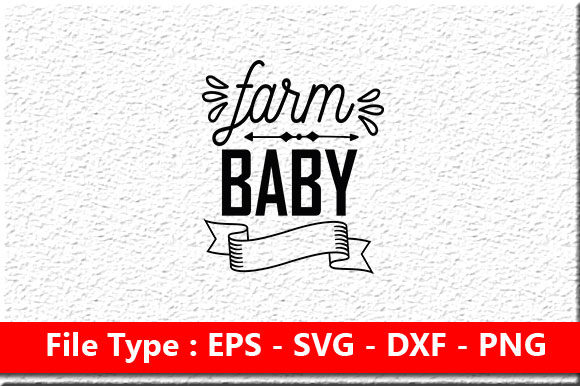
Farm House Svg Design, Farm Baby
As an embroidery designer and product reviewer, I’ve evaluated countless machine embroidery designs. Farm House Svg Design, Farm Baby stands out for its charm and versatility. The ZIP file includes EPS, SVG, PNG, and DXF files, making it accessible for various creative applications. But how does it perform in real projects? Let’s break it down.
The First Impression
Farm House Svg Design, Farm Baby immediately evokes a cozy, rustic vibe. The design features a simple farm house silhouette with a baby element, likely representing a new addition to the family. The layout is clean, with balanced proportions that make it adaptable to different sizes and formats. The level of detail is just right—enough to be recognizable but not overly complex.
This design feels like it belongs on custom apparel, baby items, or home decor. Its visual personality is warm and inviting, which makes it ideal for handmade products targeting families, nurseries, or rustic-themed gifts.
Real-Life Embroidery Performance
I tested Farm House Svg Design, Farm Baby on a variety of fabrics and project types. On a cotton tote bag, it looked great with a medium stitch density. The satin stitch edges were smooth, and the fill areas didn’t pucker. For a sweatshirt, the design worked well when placed on a flat area, avoiding curved surfaces that could distort the image.
On baby clothes, the design was perfect. It’s small enough to fit on onesies without overwhelming the garment, and the simplicity makes it easy to match with other patterns. For embroidered patches, the design holds up well, especially when using a proper stabilizer to prevent stretching.
When used as a printable mockup, the design maintains clarity, making it a solid choice for Etsy sellers or craft businesses looking to showcase their work.
Where to Use With Caution
While Farm House Svg Design, Farm Baby is versatile, there are some situations where caution is needed. On small hoop sizes, the design might require splitting into sections, which can complicate the process. Textured fabrics may cause the stitches to look uneven, so testing on scrap fabric first is essential.
Thin or stretchy fabrics can also pose challenges. A lightweight cotton might not hold the design as well as a heavier material. For dark fabrics, the thread color needs to contrast sufficiently to ensure visibility. If the design is too intricate, it might not translate well to layered garments or curved surfaces like caps.
Small details, such as the baby’s face or window frames, should be inspected closely. If they’re too fine, they might get lost in dense stitch areas. For commercial embroidery projects, it’s important to confirm licensing terms before selling finished items or digital products.
Impact on Visual Appeal and Customer Trust
Farm House Svg Design, Farm Baby adds value to any project it’s used on. Its clean lines and familiar theme make it instantly recognizable, which is great for brand consistency. When used on personalized gifts or handmade products, it elevates the overall presentation, making the finished product feel more professional.
Customers often respond positively to nostalgic or thematic designs. This one has a strong emotional appeal, which can increase buyer engagement. Whether it’s a holiday gift, a nursery decoration, or a boutique item, the design enhances the perceived quality of the product.
For small shop owners and Etsy sellers, this design can help build a cohesive collection. It works well with other rustic or farmhouse-themed items, creating a unified aesthetic that appeals to a specific audience.
Practical Designer Notes
Before using Farm House Svg Design, Farm Baby in a project, I recommend testing it on scrap fabric. This helps determine how the design looks with your chosen thread colors and fabric type. Check the stitch density to ensure it’s appropriate for the garment or item you’re working on.
Confirm the hoop size required for the design. If it’s too large for your machine, consider resizing or splitting the design. Inspect small details like corners and lettering to make sure they’re clear and well-defined.
Test the design in black and white mockups to see how it looks on different backgrounds. Compare it on light and dark fabrics to ensure visibility. Use the right stabilizer for your project to prevent puckering or distortion.
Lastly, verify if the design is suitable for both personal and commercial use. Licensing terms can vary, so it’s always best to double-check before selling finished items or digital products.